Study explores untapped housing supply in spare bedrooms
Older owner-occupiers renting out their spare rooms could help reduce loneliness and social isolation as well as improving housing affordability
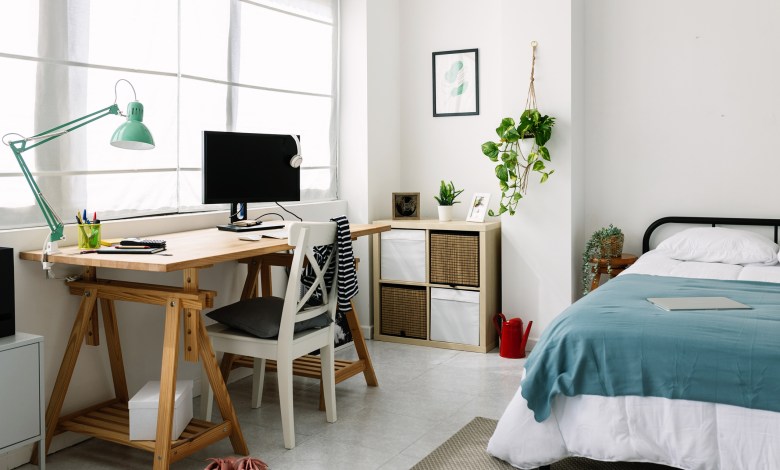
Thousands of underused spare bedrooms could help ease housing pressures in Queensland, according to new research that suggests structured homesharing programs could benefit both older homeowners and renters struggling to find affordable accommodation.
The study, led by the University of the Sunshine Coast and Anglicare Southern Queensland, examined whether matching older homeowners with spare rooms to younger people seeking affordable housing could help address rental affordability, housing insecurity and social isolation.
Anglicare Southern Queensland's latest Rental Affordability Snapshot continues to highlight the challenges facing low-income renters across the state.
“Through our 2026 Rental Affordability Snapshot, we saw just how dire it is for people on low incomes to find an appropriate rental they can actually afford,” Anglicare SQ research evaluation and advocacy manager Leanne Wood said.
Researchers found strong support for the concept of homesharing among both renters and homeowners, particularly because of its potential to improve affordability, reduce loneliness and strengthen community connections.
The study's homeowner survey found 65 per cent of respondents had at least one spare bedroom available, while nearly two thirds reported having spare space within their homes.
However, translating that potential into actual housing supply appears more challenging.
Only five per cent of surveyed homeowners said they intended to rent out part of their home to a non-family member within the next year, while 80 per cent reported no intention of doing so.
Researchers found concerns about privacy, safety, lifestyle disruption, interpersonal conflict and power imbalances were among the biggest barriers to participation.
Many homeowners saw homesharing as a positive idea in principle but were reluctant to share their homes with people outside their family or friendship networks.
The report also found homeowners were more likely to consider homesharing if they had multiple spare rooms or a self-contained area such as a granny flat, and if the arrangement was supported by a trusted third party.
“What this research tells us is that people recognise the potential value of homesharing, but that any model would need clear guardrails to provide structure, safety and support for both homeowners and renters,” Ms Wood said.
Participants consistently identified background checks, written agreements, compatibility matching, mediation services and ongoing support as essential elements of any future program.
“This means that careful housemate matching, clear written agreements, practical resources and ongoing support, including check-ins and mediation are offered to both parties by service providers like Anglicare,” Ms Wood said.
The research also found university students and younger renters were among the groups most open to homesharing, largely because shared housing is already a reality for many people facing high rents and limited housing options.
While the report concludes that homesharing is not a “silver bullet” for the housing crisis, researchers say it could form part of a broader response alongside increased investment in social and affordable housing.
“We know there is no single silver bullet to solve the housing crisis,” Ms Wood said.
“Homesharing is one of those ideas. It asks us to think differently about the spare rooms, homes and relationships that may already be available in our communities, while also helping to build connection across generations.”
Email: rebecca.cox@news.com.au