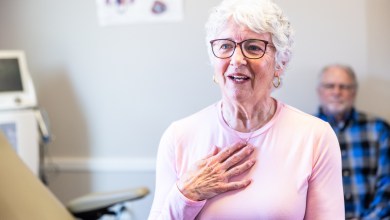
Case study: The aged care residents still giving back
The assumption that once you move into aged care, you become a recipient of care rather than a contributor to it doesn’t have to be true
When people think about aged care homes, they often picture residents as receivers – of care, meals, activities. What they rarely picture is residents as givers.
Proving that misconception wrong is one of the more interesting parts of my job.
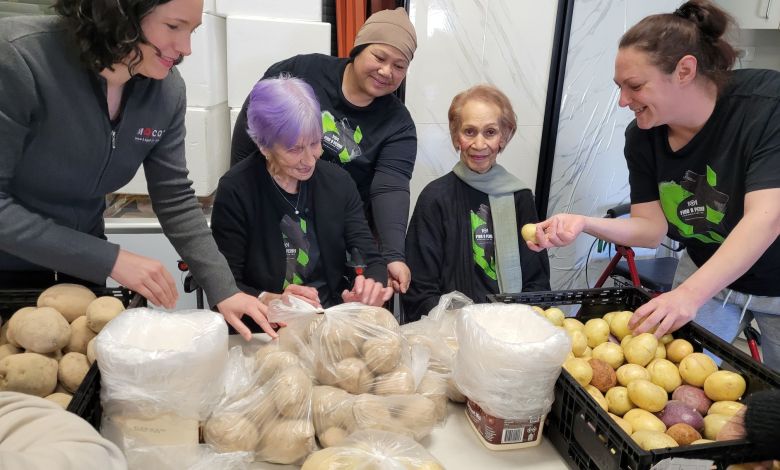
Where I work, MAGC (Medical and Aged Care Group), residents are handcrafting worry dolls – more than 1100 of them a year – that go out into the community as small gifts of comfort. They’re baking sweet treats each week for St Michael’s Mick’s Kitchen in Traralgon and donating groceries to help keep the program running.
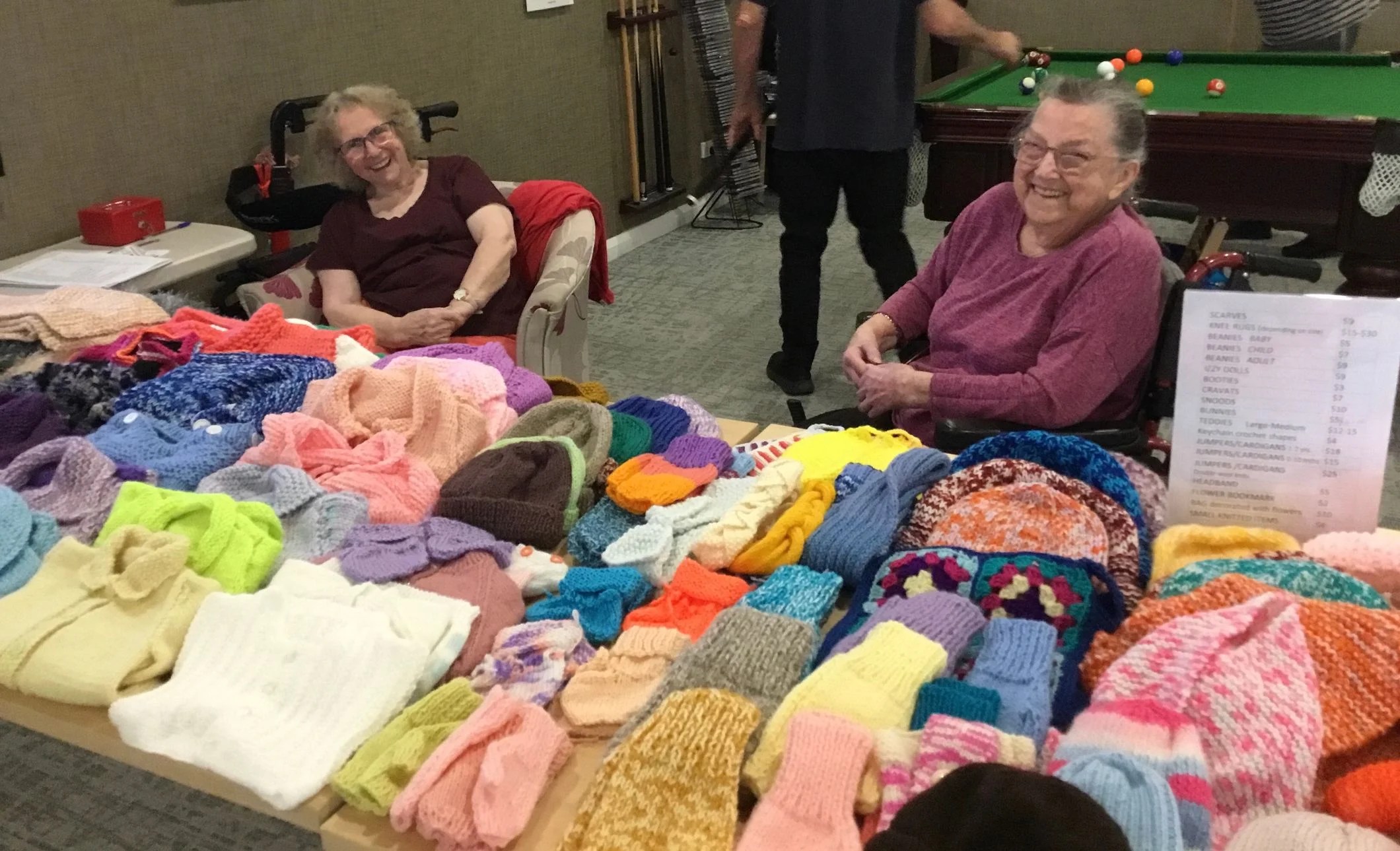
Members of a knitting group at one of our homes donate the funds they raise from selling their crafts to charities of their choice and welcome interested young people to their sessions to share skills and patterns. Some residents volunteer weekly or fortnightly, heading out to pack and sort fresh produce and groceries for families in need.
A group at our Ashwood home donates and delivers ingredients for a local frozen meal program, sharing a community lunch alongside older neighbours who live alone.
Our residents were also among the first to support Backpacks 4 Vic Kids, providing essentials to children entering out-of-home care or emergency accommodation, and are part of an ongoing partnership with Back to Basics, a grassroots group supporting local families under pressure.
On top of that, each of our homes runs a Christmas Giving Tree for a different local partner, delivering toys and groceries to families who need them. It’s locked into the calendar, home by home, year after year.
These aren’t one-off activities. Across our homes, residents and teams have built ongoing relationships with local charities, neighbourhood houses, food relief programs, schools and community groups. The causes differ from home to home because the communities around them differ too.
I’ve come to think of these giving opportunities as flipping a script that’s run for decades: the assumption that once you move into aged care, you become a recipient of services and care rather than a contributor to them. It’s just not true, or at least, it doesn’t have to be.
A little island, until it isn’t
When I moved into the aged care sector after many years working in the airline industry, it struck me how easily a facility can become an island – everything happening inside its walls, very little moving in or out.
For people who’ve spent a lifetime contributing – to family, to community, to work – that shift can be its own quiet loss. But for some, moving into aged care actually provides an opportunity to contribute in ways they haven’t been able to for some time.
Families are often astonished by how enriched their loved ones’ lives become after moving into residential aged care.
Why it matters who decides
What I’ve learned in this role is that the strongest community partnerships grow from the interests of residents, the relationships our homes build locally and what each community actually needs.
For instance, our knitters choose which local cause their next sale supports, or when new residentw tells us about their previous volunteering experiences, we look for ways to help them continue that connection or find a local equivalent.
The community organisations we partner with tell us they’re delighted, and more than a little taken aback, that older people in care still want to give. To be honest, I think that says more about how the rest of us think about ageing than it does about our residents.
It’s not for everyone, and it shouldn’t have to be. But for residents who do want to contribute, our role is to create opportunities for them to do it in ways that are meaningful to them.
What it actually gives back
Many people who move into aged care have spent a lifetime being the one who helps, who hosts, who notices what's needed. Those parts of a person’s identity don’t disappear when they move into residential care. What I hear from residents taking part in these programs is the sense of purpose that comes from continuing to play a meaningful role as part of the broader community. Contributing to something outside the home lets that identity carry on, rather than quietly disappearing behind a closed front door.
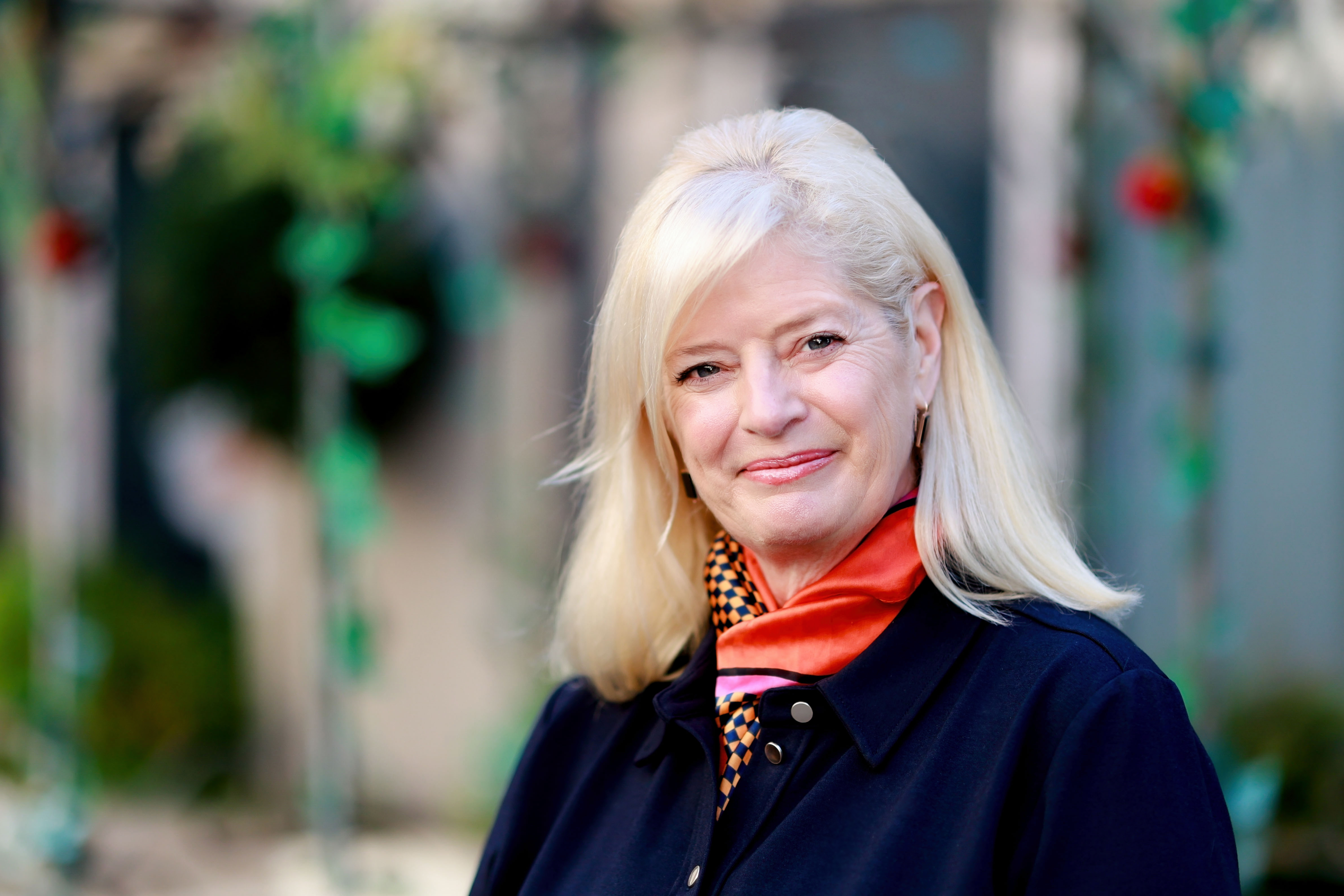
manager at MAGC. Image: GAZi Photography
Community connection isn’t something that stops at the front door of an aged care home. Our homes are part of their local communities, and our residents are, too. When they volunteer, knit for a local charity, bake for a community kitchen or share their skills with a younger person, they’re not simply being included in the community, they’re contributing to it.
This is an important distinction. If the aged care sector wants to shift how ageing is understood in this country, this is a good place to start: widening the focus from what we do for older people to include what they can do for and with the rest of us.
Moving into aged care shouldn’t mean moving out of community life. For residents who want to keep giving, contributing and connecting, we should be helping them find ways to do exactly that.
Jacinta Jarutis is community engagement manager at MAGC (Medical and Aged Care Group).
Email: rebecca.cox@news.com.au