Longer lives and fewer births to accelerate demand for aged care
The number of Australians aged 85 and over is projected to reach 1.9 million by 2065–66, placing growing pressure on the care economy

Australia’s population is ageing faster than previously forecast, with the number of people aged 85 and over projected to triple over the next four decades, placing growing pressure on aged care, healthcare and the broader economy.
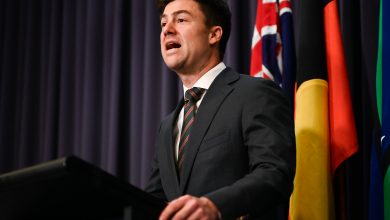
These findings from the federal government’s 2026 Intergenerational Report (IGR), released this week by Treasurer Jim Chalmers, identify population ageing as one of the major economic and social transitions that will shape Australia’s future.
The report projects Australia’s population will increase from 28 million to 39.3 million by 2065–66, while the median age will rise from 38.6 years to 45 years. For the first time, deaths are expected to outnumber births by the 2060s as fertility rates continue to decline and Australians live longer lives.
Life expectancy is forecast to reach 89.5 years for women and 86.1 years for men by 2065–66, with the report projecting the number of Australians aged 85 and over will rise from 625,000 to 1.9 million by 2065–66, driving demand for health, aged care and other care economy services.
The Treasurer said that while, in comparison to many other countries, Australia is “better placed and better prepared” to face such changes, he warned against complacency.
“This IGR’s projections show that in 2066, Australians are expected to live longer, healthier lives, with higher living standards and more secure retirements,” he said.
“At the same time, families will have fewer kids, the population will grow more slowly and our industries will be transformed by artificial intelligence (AI) and clean energy.”
Health care and social assistance, already Australia’s largest employing industry, is expected to remain one of the fastest-growing sectors of the economy. Employment in the sector has grown by 13 per cent since 2023 and is projected to increase a further 23 per cent by 2035.
The IGR notes that while many older Australians remain healthy and independent well into later life, people aged 85 and over are significantly more likely to require health care, aged care and support services. As a result, demographic change is expected to reinforce Australia’s long-term shift toward a services-based economy.
Workforce supply is also identified as a key challenge. While participation rates among older Australians continue to rise, a smaller proportion of the population will be of traditional working age in coming decades.
The Treasury projects government spending on aged care will increase from 1.5 per cent of GDP in 2025–26 to 2.3 per cent by 2065–66. However, this is lower than forecast in the 2023 IGR, reflecting the impact of recent reforms.
The report also points to a continuing shift toward home-based care, noting that more Australians are accessing support at home rather than entering residential aged care. The Treasury expects this trend to continue as older people seek to remain connected to their homes, families and communities for longer.
At the same time, demand for unpaid care is expected to increase. Australians already provide an estimated 12.3 billion hours of unpaid care annually, valued at $461.1 billion, with women continuing to provide the majority of that support.
COTA Australia chief Patricia Sparrow welcomed the recognition that population ageing presents opportunities as well as challenges.
“Living longer, healthier lives is something to celebrate, and it’s positive to see that reflected in the Intergenerational Report,” she said.
“It’s also important to see recognition of the enormous contribution older Australians continue to make to our economy and communities.
“Older Australians are workers, volunteers, carers, consumers and active members of their communities. We need to make sure people can continue contributing in the ways they want to as they get older.”
Ms Sparrow said the report reinforced the need for a coordinated response to ageing across government.
“We need to look at how aged care, health, housing, transport, employment and participation work together to enable people to remain independent, connected and involved in their communities as they get older,” she said.
“The Intergenerational Report looks decades ahead at how Australia’s population is changing and the reality of inequity within generations, particularly in housing. We now need an equally long-term plan for how we respond.”
COTA continues to advocate for a 10-year whole-of-government action plan on ageing.
Email: rebecca.cox@news.com.au