Focus on lifestyle changes limiting dementia prevention: Study
Researchers say dementia prevention places too much emphasis on individual behaviour and not enough on social and environmental factors

Efforts to prevent dementia may be focusing too heavily on individual lifestyle choices while overlooking the social, environmental and economic conditions that influence brain health, according to new Australian research.
The study, led by researchers from Curtin University and published in The Lancet Public Health, examined 61 potentially modifiable dementia risk and protective factors and found the vast majority were framed around individual behaviour rather than broader societal influences.
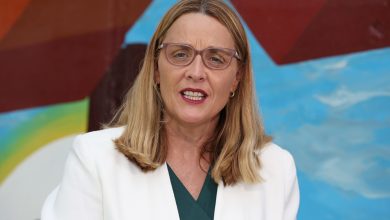
Lead author Dr Jennifer Dunne from Curtin University’s Dementia Centre of Excellence said the findings challenge the way dementia prevention has traditionally been approached.
“Much of dementia prevention is focused on what individuals can do to reduce their risk – exercise more, eat well, stay socially connected and manage their health,” Dr Dunne said.
“These are obviously important for a range of reasons, but our study shows that many of the factors that shape dementia risk do not sit solely within an individual’s control.”
The study used a model that maps risk factors across four levels of influence: individual, interpersonal, community and societal. Of the 61 factors identified in existing dementia prevention literature, 49, or 80 per cent, were focused on the individual level.
According to researchers, much less attention has been paid to external factors despite growing evidence of their influence on dementia risk.
“Where people live, the education they receive, the healthcare they can access, the air they breathe and the social and economic conditions they experience across their lives can all shape brain health,” Dr Dunne said.
“If we focus predominantly on individual behaviour, we risk asking people to make healthier choices without addressing the conditions that make those choices possible.”
The study notes that many established dementia risk factors, including inequitable education, air pollution, social isolation and poor access to healthcare, are structural in nature and can also constrain people’s ability to adopt healthier behaviours.
Researchers argue that many commonly recognised dementia risk factors, such as physical inactivity, poor diet, obesity, hypertension and hearing loss, are often shaped by broader influences including urban design, healthcare access, transport systems and public policy.
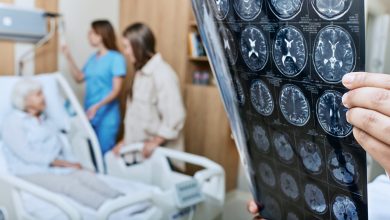
Dementia currently affects an estimated 57 million people worldwide and is projected to affect 139 million by 2050. In Australia, around 446,500 people are living with dementia, a figure expected to exceed one million by 2065. It is now the leading cause of death among Australians.
Co-author Professor Blossom Stephan, chair in Dementia at Curtin University’s enAble Institute, said effective prevention requires action beyond the health sector.
“The next step is turning this evidence into action,” she said.
“Dementia prevention should support healthy choices while also improving education, neighbourhoods, healthcare access and other social conditions that shape brain health across the population throughout a person’s life.”
The study’s authors are calling for greater collaboration across sectors including education, housing, urban planning, environmental policy and healthcare. They argue that improving air quality, expanding access to hearing care, creating walkable neighbourhoods and promoting social participation could all contribute to reducing dementia risk.
Dementia Australia chief Professor Tanya Buchanan said lowering dementia risk should be viewed as a shared responsibility.
“Dementia risk reduction is a collective responsibility and it is vital everyone has access to the supports and services they need to support their brain health,” she said.
“Alongside addressing brain health behaviour at an individual level, we need policies and actions from governments and organisations to make it easier for everyone to lower their risk of dementia.”
Email: rebecca.cox@news.com.au