Government launches dementia prevention campaign for Australians turning 50
New letters arriving in mailboxes across Australia are encouraging people to make simple lifestyle changes that could help prevent or delay dementia
The federal government has launched a new dementia prevention campaign aimed at helping Australians better understand their individual risk of developing the condition and take practical steps to reduce it.
The initiative will see around 340,000 Australians who turned 50 between 1 July 2025 and 30 June 2026 receive a letter outlining the lifestyle changes that can help lower their chances of developing dementia and maintain better health as they age.
The campaign comes as dementia remains the leading cause of death in Australia and one of the country’s fastest-growing health challenges. Almost 460,000 Australians are currently estimated to be living with dementia, with that figure expected to rise to 1.1 million by 2065 as the population ages.
However, growing evidence suggests many cases could potentially be avoided or delayed by addressing known risk factors.
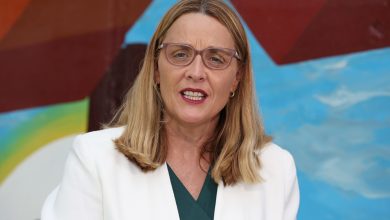
Health and Ageing Minister Mark Butler said the campaign was designed to help Australians better understand those risks.
“Dementia is a national health priority for our government,” he said.
“Growing evidence of risk factors for dementia show that the disease can be prevented or delay in around 45 per cent of cases.
“That’s why we launched a campaign to help people better understand the risk factors, by sending a letter to every Australian when they turned 50.”
The letter encourages recipients to eat healthily, stay physically active, limit alcohol intake, quit smoking, monitor heart and diabetes risks and keep their brains active. Australians receiving the letters can also complete a free personal dementia risk assessment, the Cognitive Health and Dementia Risk Assessment Tool, is a joint initiative between NeuRA and the University of NSW, via the Department of Health Disability and Ageing website.
The campaign was informed by consultation with dementia experts and draws on evidence from the 2024 Lancet Commission on dementia prevention, intervention and care.
Aged Care and Seniors Minister Sam Rae described the letters as an opportunity for Australians to start conversations about their long-term health.
“Turning 50 is a great time to stop and think about your long-term health. These letters are a simple prompt to start a conversation every Australian should be having with loved ones and their doctor,” he said.
“The science is clear that the choices we make in mid-life matter. Staying active, eating well and keeping on top of your heart health can help reduce your risk of developing dementia.”
The campaign has also received strong backing from dementia experts.
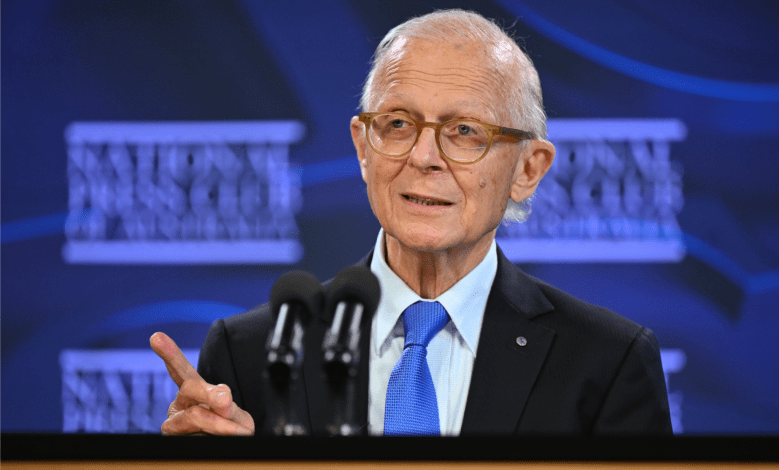
Professor Henry Brodaty, the 2026 Senior Australian of the Year, said Australia had successfully tackled major public health challenges before and could do the same with dementia prevention.
“Australia has successfully tackled some of our biggest health challenges – from skin cancer and smoking to deaths from heart attacks. Now is the time to tackle dementia,” he said.
“The evidence is in. Successful international trials, including our Maintain Your Brain trial, show that addressing dementia risk factors can improve cognitive abilities and delay decline.
“We did ‘Slip, Slop, Slap’ for skin cancer. Now let’s do it for brain health.”
Dementia Australia chief executive Professor Tanya Buchanan said community awareness remained critical.
“It is never too early or too late to focus on your brain health. While we cannot change getting older, our genetics or family history, scientific research shows that looking after our brain health can make a big difference to reducing the risk of developing dementia,” she said.
She noted that some risk factors are often overlooked.
“Some of the modifiable risk factors for dementia surprise people, like taking action on hearing or vision loss, treating depression and staying socially connected.”
The campaign forms part of the National Dementia Action Plan and aims to encourage Australians to take preventative action earlier in life, with the government hoping greater awareness and healthier lifestyles will help reduce future dementia rates and improve quality of life as the population ages.
Email: rebecca.cox@news.com.au