Why aged care reform is about systems, not spending
Decades of aged care reforms have targeted individual problems, but experts say fragmented systems remain the biggest barrier to better care
As governments grapple with workforce shortages, rising care needs and growing demand for services, researchers from around the globe argue that the future of aged care depends less on funding and more on redesigning how our healthcare systems work.
A new special edition of Health Care Management Review, featuring research from Australia, Malaysia, Thailand, India, Finland and Saudi Arabia, concludes that aged care systems need stronger connections between services, professions and policymakers to meet the demands of rapidly ageing populations.
The call comes as the World Health Organization (WHO) forecasts the number of people aged 60 and over will double to more than two billion by 2050.
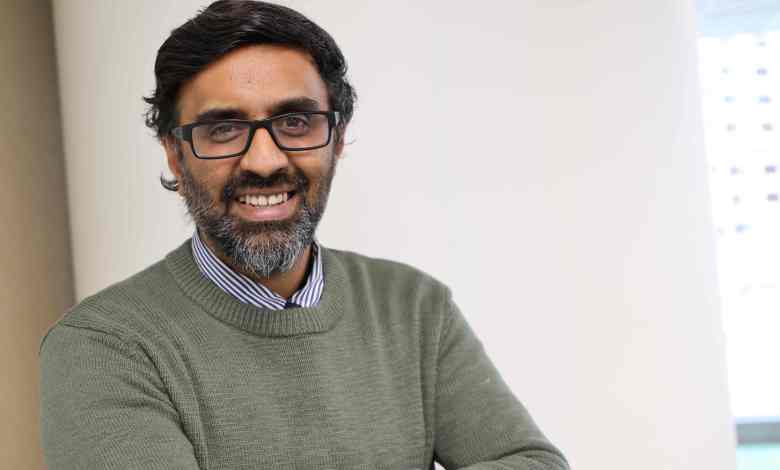
Lead editor Dr Madhan Balasubramanian, deputy director of health care management programs at Flinders University, said decades of reform efforts have focused on the wrong targets.
“We have been reforming aged care for decades, but our latest assessment of management approaches shows we’ve been targeting the wrong thing,” he said.
“Without connecting clinicians, managers and policymakers into shared frameworks, system-level reforms continue to address symptoms rather than causes.”
The special issue argues that workforce reforms, technology initiatives and policy changes are frequently pursued as separate projects when they are, in reality, part of the same interconnected system.
“Aged care systems are being redesigned, but the fundamental problem is how the people running them think,” Dr Balasubramanian said.
“What’s missing is the ‘connective tissue’ – the shared language and structures needed to bring disciplines, sectors and institutions together.”
That argument is echoed across several studies in the publication.
One systematic review examining workforce models in dental, vision and hearing care for older people found services remain fragmented despite sensory and oral health conditions being among the leading contributors to disability and reduced quality of life in old age.
The review found current workforce models often operate in silos, limiting holistic care and early intervention opportunities. The authors concluded that workforce integration depends on the design of collaboration itself, including roles, accountability, communication and shared person-centred goals.
The finding supports the broader argument that governance and coordination may matter as much as individual workforce investments.

Co-author and WHO technical officer Dr Amrita Kansal said ageing policy needs stronger coordination across health, care and community systems.
“Challenges relating to ageing exceed the boundaries of any single discipline, profession or sector of policy domain,” she said.
“Collective reforms are more effective when governance aligns with workforce capability, digital infrastructure, financing, referral pathways, and community and accountability structures.”
Other papers in the special edition expand this discussion beyond the healthcare services themselves.
One study assessing age-friendly communities in Bengaluru, India, found major gaps in accessibility, transport and social participation, despite some strengths in health service provision. The authors argued that healthy ageing depends on coordinated action across public health, urban planning, technology and social policy.
The findings reinforce growing recognition that outcomes for older people are shaped by how different systems interact, not simply by the amount spent on health and aged care services.
The special edition also highlights examples of emerging approaches, including integrated workforce models, digital care innovations and assistive technologies designed to support older people and ageing workforces.
For Dr Balasubramanian, however, the solution is ultimately less about individual initiatives and more about changing how they fit together.
“Clinicians, managers and policymakers don’t speak the same language. It should all be complementary – a transdisciplinary, interconnected approach,” he said.
Email: rebecca.cox@news.com.au