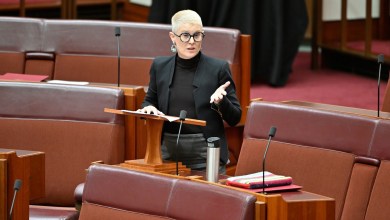
Senate votes to reinstate human oversight of aged care assessment tool
Ageing Australia said it has over 150 examples of older people receiving incorrect outcomes from the IAT

Senators have voted to reinstate human override in aged care assessments, marking the second intervention in aged care reforms following changes to additional home care packages.
The Aged Care Amendment (Restoring Human Override for Aged Care Needs Assessments) Bill 2026 would restore the ability for qualified assessors to overturn algorithmic outcomes if they believe the Integrated Assessment Tool (IAT) has under‑identified a person’s care needs or priority level.
The bill, co‑sponsored by the Greens, Coalition and Independent Senator David Pocock, follows months of complaints from older people, families, providers and advocates who claimed the IAT has produced incorrect or inappropriate results.
It proposed three amendments: restoring assessor discretion, requiring transparency in decision notices, and allowing backdated reassessment for anyone assessed since November 1, 2025.
Ahead of the vote, the government announced it would introduce human intervention in ‘outlier’ cases.
But, sector leaders have said professional judgement must be available across all assessments, not only outlier cases.
Ageing Australia welcomed the government’s willingness to amend legislation and said it had provided more than 150 examples of older people receiving incorrect outcomes.
“When dealing with the complex needs of older people it’s important a machine or algorithm doesn’t have the final say on how much support they receive,” AA chief Tom Symondson said.
“It’s people making decisions about people.”
The Older Persons Advocacy Network said the tool has been the subject of hundreds of complaints from older people, families and advocates since its rollout.
Chief Craig Gear said the algorithm had caused “widespread confusion and uncertainty” and must be redesigned to safeguard older people’s rights.
“These assessments have a real impact on an older person’s life, so it is crucial that a human remains part of the decision‑making and outcomes,” he said.
“Giving older people and independent aged care advocates the ability to have a decision escalated is a step in the right direction.”
Mr Gear said several details, including appeal pathways, how changing circumstances will be reflected, and how advocates will be involved, still require clarification.
Opposition health spokeswoman Anne Ruston said recent policies, including a carve‑out for motor neurone disease (MND) patients and a temporary double‑assessment workaround, have demonstrated the algorithm is not functioning as intended.
“You cannot have it both ways. Either the IAT works, or it doesn’t,” she said.
“The government has now told us, through its own actions, that it doesn’t.”
Greens spokeswoman for older people Penny Allman‑Payne said Labor reforms have “unravelled” and warned older people are left at risk under the current system.
Email: rebecca.cox@news.com.au