WA providers call for hearing at aged care reforms inquiry
They say the state’s unique challenges must be considered at the senate inquiry into the implementation of Support at Home

Western Australia’s largest aged care providers are calling for the parliamentary inquiry into the Support at Home program to hold a public hearing in their state, arguing that WA’s unique challenges risk being overlooked as one of the nation’s biggest aged care reforms is rolled out.
Advance Ageing WA (AAWA), which represents seven major aged care providers, has written to the Senate Community Affairs References Committee requesting a hearing in Western Australia after noting that none are currently scheduled.
The inquiry is examining the implementation of Support at Home, the federal government’s flagship in-home aged care program, which commenced in November and replaced the Home Care Packages program.
AAWA has lodged a submission containing 19 recommendations aimed at improving the delivery of the reforms and ensuring older Western Australians can access equitable care.
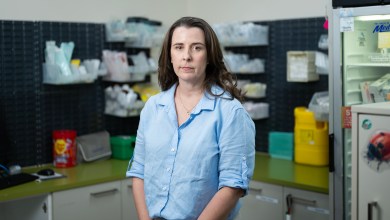
AAWA board member and aged care provider Bethanie chief executive Roulé Jones said WA’s circumstances needed to be properly understood as the inquiry progressed.
“Support at Home is one of the most significant reforms to in-home aged care in decades, so it’s essential that implementation is suitable for older Australians, regardless of where they live,” Ms Jones said.
“Western Australia’s unique geography, workforce constraints and dispersed population often magnify these challenges, which must be recognised if the reforms are to deliver equitable outcomes.”
The organisation argues a public hearing would allow providers, consumers and sector representatives to explain the realities of delivering care across one of the world’s largest health service jurisdictions.
“A hearing in Western Australia would give the Committee an opportunity to hear directly from providers, consumers and sector representatives about the practical realities of home care in our state,” Ms Jones said.
Just last month AAWA released its inaugural green paper, From Rights to Reality, which warned the state could face a shortage of up to 2,800 residential aged care beds by 2030 unless significant investment and reform occur.
The report also estimated WA would require at least 2,179 additional full-time direct care workers over the next five years, including more than 440 registered nurses, to meet growing demand from an ageing population.
AAWA said many of the same challenges identified in that report, including workforce shortages, geographic isolation and service sustainability, are relevant to the Support at Home reforms.
Among its recommendations to the parliamentary inquiry are a provider-informed review of Support at Home pricing and delivery, an independent review after the program’s first year and stronger Commonwealth/state coordination for end-of-life care provided in the home.
Ms Jones said the success of the reforms would ultimately depend on whether national policy settings translated into practical support for older Australians where they lived.
“The success of Support at Home will depend on whether national program settings can translate into real access in the places where older Australians live,” she said.
Update: a Community Affairs References Committee public hearing has been scheduled for Perth on August 27.
Email: rebecca.cox@news.com.au