Sector slams proposed cut to health insurance rebate
The proposed overhaul has sparked warnings that more older Australians could abandon private cover, increasing pressure on public hospitals
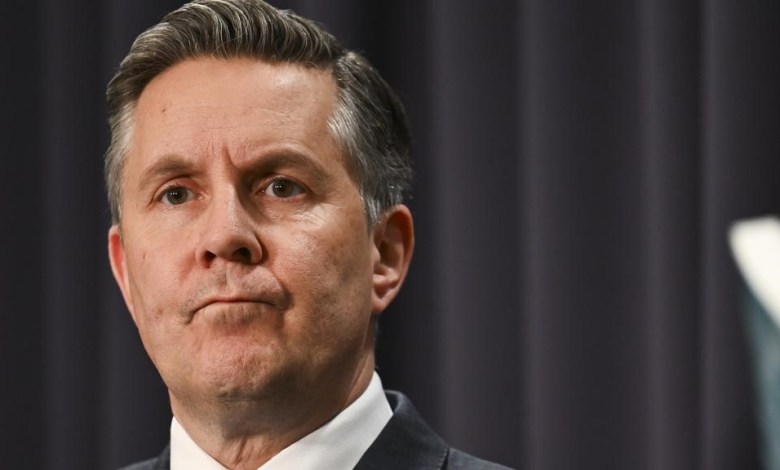
Pressure is mounting on the federal government to rethink proposed private health insurance rebate cuts amid warnings thousands of older Australians could abandon private cover and join public hospital waiting lists.
The proposal would remove the higher private health insurance rebate currently available to Australians aged 65 and over, replacing it with a standard age-neutral rebate tied only to income. More than three million older Australians are expected to be affected, including an estimated 1.2 million pensioners.
COTA Australia chief Patricia Sparrow said the scale of the impact should prompt an immediate rethink.
“1.2 million pensioners is an enormous number of people to be affected by a change that could make their private health insurance more expensive,” she said.
“We know many older Australians are already questioning whether they can continue to afford private health insurance. Making it more expensive risks pushing more people to downgrade their cover or leave the system altogether.”
The change is expected to save the federal budget around $3 billion over four years. Labor intends to redirect the savings to aged care commitments, including funding additional aged care beds and removing some Support at Home care co-payments.
However, critics argue the any savings would be lost if large numbers of older Australians leave private cover and shift into the public health system.
COTA Australia research found 82 per cent of respondents opposed removing the higher rebate for people aged over 65, while more than one in three said they would consider downgrading or cancelling their cover if the changes proceeded.
“We’ve got to remember that around one in four older Australians are living in poverty. Older Australians are not a uniformly wealthy group with endless capacity to absorb higher costs,” Ms Sparrow said.
“Older Australians have spent decades paying into the private health insurance system, often making relatively few claims, and now risk being priced out just when they are more likely to need healthcare.”
Private Healthcare Australia (PHA) has also warned the proposal could have significant consequences for both older Australians and the broader health system.
According to PHA modelling, up to 62,000 older Australians could abandon their private health insurance altogether and a further 200,000 could downgrade their cover. The organisation estimates the changes could add almost $260 million annually in public hospital costs.
PHA chief Dr Rachel David said the debate should focus on what happens when older Australians can no longer afford private cover.
“This is about security and fairness for older people who have been investing in health insurance usually for decades on the basis they are likely to need it for costly hospital care in their sixties, seventies and beyond,” she said.
“If someone loses their health cover and needs a hip or knee replacement, they will likely end up on a very long public hospital waiting list.”
PHA estimates a person aged 70 or over with gold cover could pay around $807 more each year if the changes go ahead, while a couple aged 70 or over with gold cover could face additional costs of approximately $1,614 annually.
The proposal has also drawn criticism from the Coalition and state governments concerned about additional pressure on public hospitals.
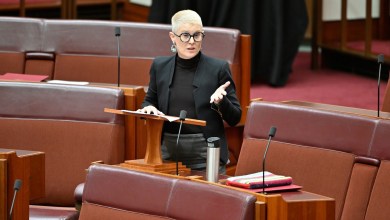
Opposition health and aged care spokesperson Anne Ruston told the Senate last week that the proposed policy unfairly targeted pensioners and retirees.
“There's nothing fair about singling out three million older Australians – most of them on modest incomes and nearly one million of them full pensioners – and telling them they have to pay more for their health care,” Senator Ruston said.
“Tens of thousands will be pushed out of private care altogether. That change, by the government's own admission, is likely to cost the public system more than the savings the federal government is making. It's just a cost shift.”
The federal government has defended the reform as a necessary budget measure and emphasised that private health insurance rebates will remain available. Earlier this year, Health Minister Mark Butler approved an average private health insurance premium increase of 4.41 per cent for 2026 and said the government would provide $7.9 billion in rebates to policyholders.
The proposed rebate changes are currently being examined by a Senate inquiry.
Email: rebecca.cox@news.com.au