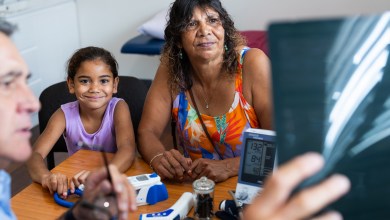
Racism: A deeply embedded crisis undermining health across Australia
Racism contributes to heightened rates of chronic disease, obesity and negative birth outcomes for First Nations people, migrants and refugees
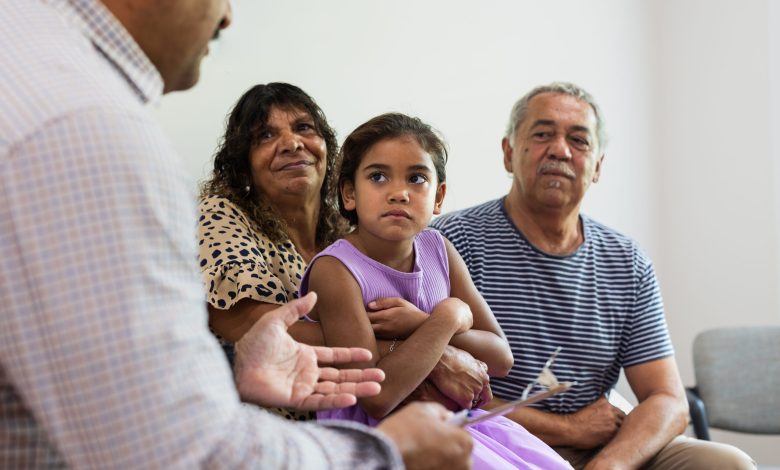
A scoping review has revealed that racism within Australia’s healthcare sector is not limited to isolated incidents but is a structural problem, deeply embedded in the country’s social and institutional systems.
Health Inequities in Australia was commissioned by the Australian Human Rights Commission (AHRC) and conducted by researchers at the University of Technology Sydney (UTS). It highlights the profound impacts of racism in healthcare and the widespread and cumulative ill-health that manifests among First Nations people and other negatively racialised communities.
“Racism in healthcare is rarely a single event, but a structural reality embedded in practices and institutional cultures that unfolds over time, shaping access, interactions, and health outcomes” - Health Inequities in Australia
In identifying racism as a critical social determinant of health, the report details heightened levels of anxiety, depression, and race-based traumatic stress from chronic exposure to racism. This is compounded by the intergenerational trauma stemming from colonial policies and cultural suppression experienced by First Nations Australians.
Migrants and refugees also face elevated acculturative stress, intensifying mental health issues that may often go unaddressed due to language barriers and a fear of discrimination.
The report says that the cumulative impact of racism erodes mental resilience and social cohesion, presenting an urgent public health concern.
Race Discrimination Commissioner Giridharan Sivaraman said we must change the system that too often fails people because of who they are.
“This report confirms what communities have been saying for decades: racism in the health system is not just unfair – it can kill,” he said.
“When people are denied care, misdiagnosed or treated with suspicion because of their race, the consequences are not theoretical. They can be fatal.”
Beyond mental health, the report details how racism directly contributes to physical health deterioration and increased risk of chronic diseases.
Constant stress from the anticipation and experience of racism triggers physiological responses, leading to conditions such as cardiovascular disease, hypertension, and metabolic disorders, often described as a “weathering effect” that causes premature biological ageing.
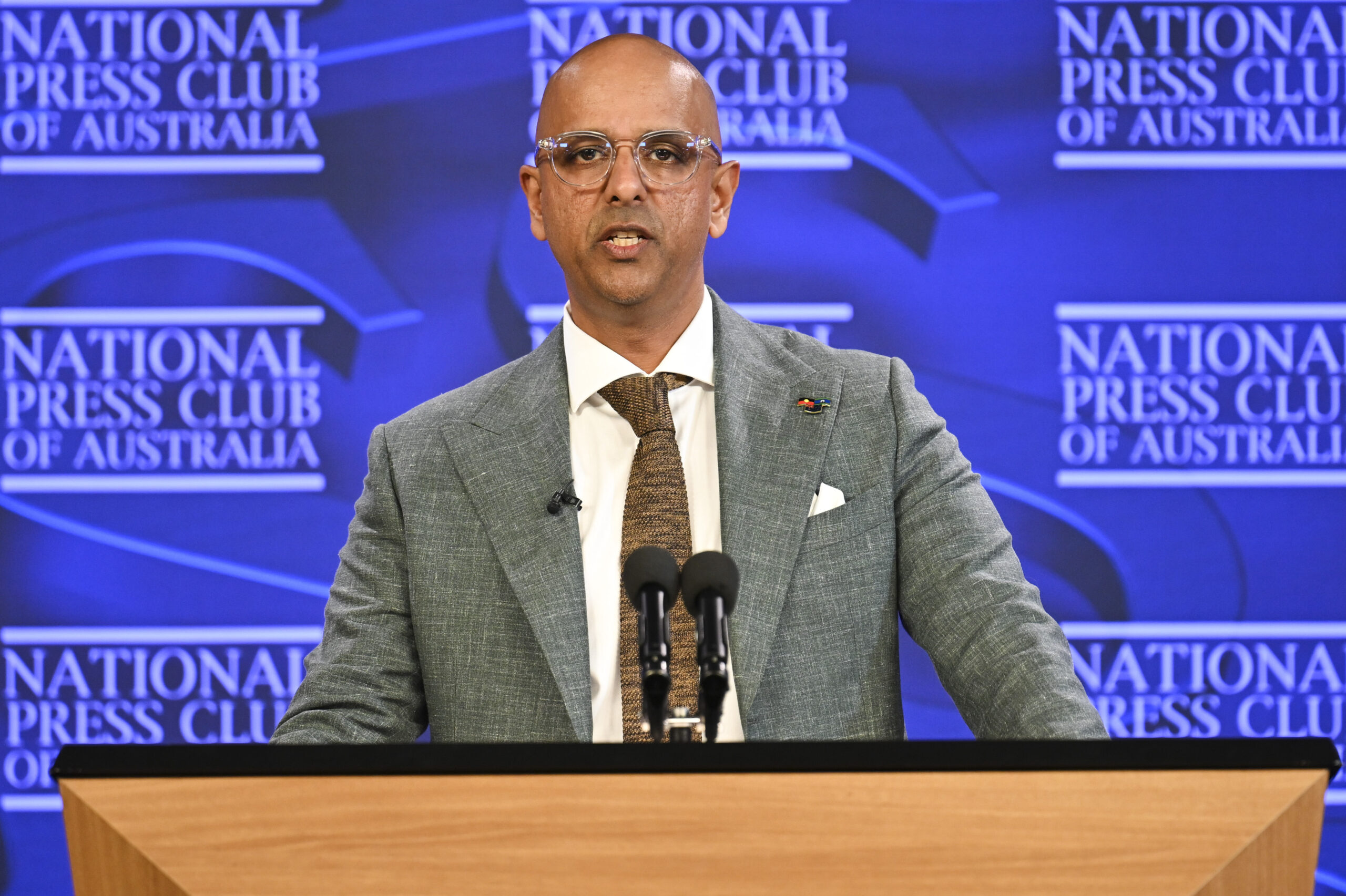
Picture: NCA NewsWire/Martin Ollman.
“Racism is a public health emergency,” Commissioner Sivaraman said.
“We cannot close the gap in health outcomes without confronting the racism that underpins it.
“We need the federal and state governments to commit to the health-based recommendations in the National Anti-Racism Framework.“
Within healthcare, systemic discrimination manifests as neglect, stereotyping, and substandard treatment, resulting in delayed diagnoses, inadequate care, and a deep-seated mistrust of healthcare systems.
The report’s recommendations act as a guide to the country’s policymakers, healthcare practitioners, researchers, and educators, underpinned by the AHRC's National Anti-Racism Framework.
Categorised into two key areas, recommendations cover policy and practice as well as future research:
- Strengthen cultural capabilities in health services via mandatory culturally appropriate and anti-racism training
- Develop anti-racism frameworks in health and social services and implement cultural safety standards
- Expand interpreter services in healthcare
- Address historical trauma in health policies, review and strengthen anti-discrimination laws and ensure representation in policy-making
- Support economic opportunities for marginalised communities
- Develop (and support) longitudinal studies on racism and health to:
- Examine the role of cultural safety in health outcomes
- Assess the intersectional impacts of racism, including the mental health impacts of workplace discrimination
- Investigate racism in social service engagement
- Examine the influence of public health campaigns
- Identify best practices for anti-racism in education
- Study culturally tailored mental health interventions.
Aboriginal and Torres Strait Islander Social Justice Commissioner Katie Kiss echoed Mr Sivaraman’s sentiment in her response to the report.
“Racism makes First People’s unwell, and racism is stopping First People from getting better,“ she said.
“It's unacceptable that First Peoples are dying from diseases that have been eradicated in the rest of population decades ago. This needs to urgently change.“
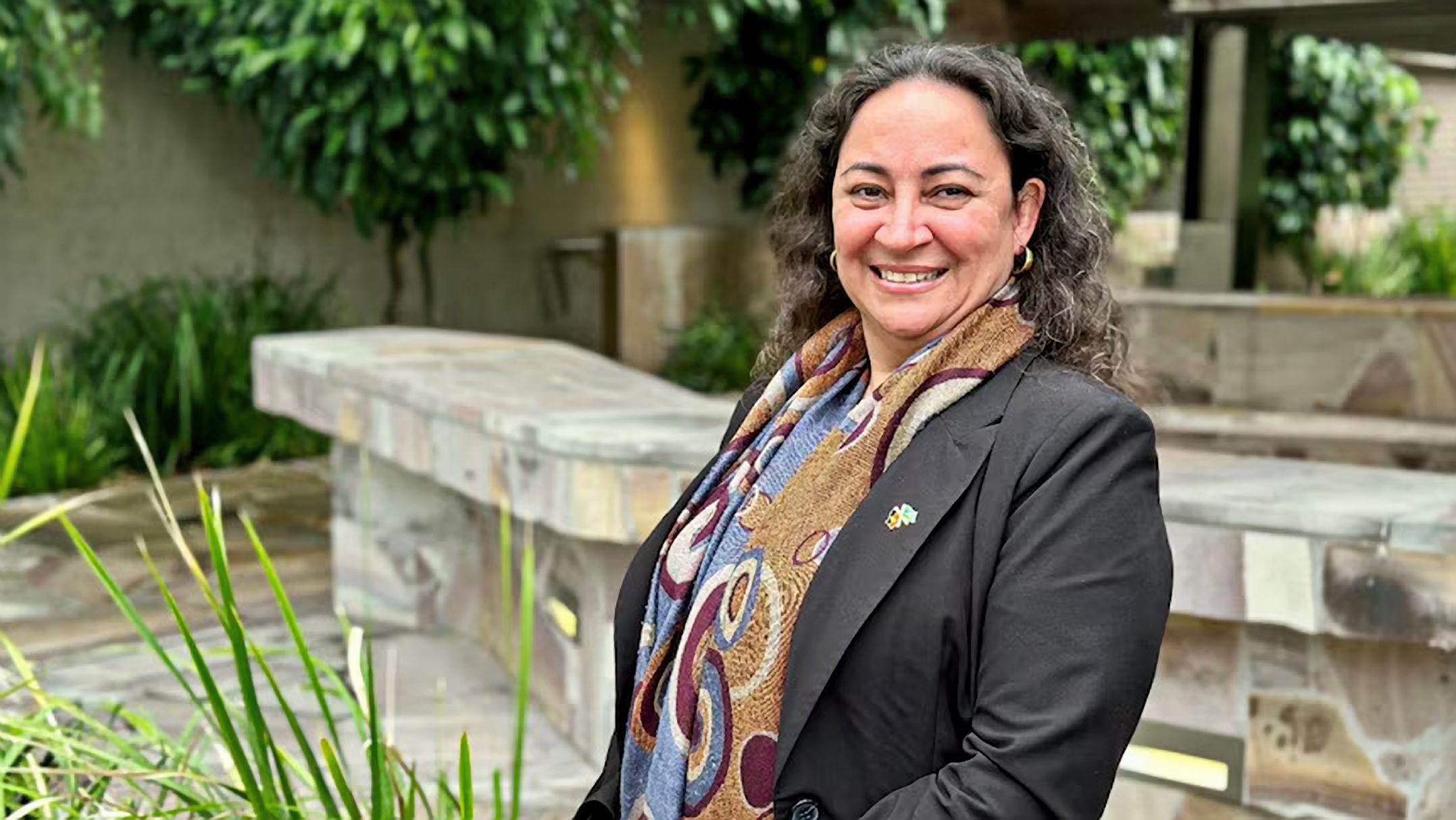
Picture: NCA Newswire/Supplied.
The report emphasises that ways older First Nations and other negatively racialised communities may be bearing the costs of cumulative impacts of discrimination over their lifespan, with racism exacerbating the challenges of ageing.
Data from the National Aboriginal and Torres Strait Islander Social Survey (NATSISS) revealed that 31 per cent of older Aboriginal and Torres Strait Islander people reported experiencing unfair treatment when accessing health services in the 12 months prior to the survey, leading to 15-17 per cent of the cohort engaging in avoidance behaviours as a result of prior negative experiences or the anticipation of discrimination.
This forgoing of necessary healthcare interventions compounds health risks, thereby deepening existing disparities.
The NSW Nurses and Midwives’ Association (NSWNMA) has committed to working alongside governments, employers and agencies to eradicate racism in the Australian health and aged care sectors.
“We all have a shared duty to address racism and chart a positive path forward for all communities,“ NSWNMA general secretary Shaye Candish said.
“We endeavour to bring about meaningful change for both Aboriginal and Torres Strait Islander Peoples and those from other racially marginalised communities by finding permanent and scalable solutions to mitigate racism in health and aged care workplaces.“
Email: rebecca.cox@news.com.au