Nearly half of dementia cases may be preventable: WHO
Countries now have clear, evidence-based recommendations to put into practice to protect people's cognitive health, it said

Up to 45 per cent of dementia risk may be linked to factors that can be modified or managed, prompting the World Health Organization (WHO) to call for stronger action on prevention as the number of people living with the condition continues to rise.
The WHO's updated Risk Reduction of Cognitive Decline and Dementia guidelines, released this month, bring together the latest evidence on reducing the risk of cognitive decline and dementia through lifestyle changes, management of chronic health conditions and environmental interventions.
More than 57 million people worldwide are currently living with dementia, with nearly 10 million new cases diagnosed each year. WHO estimates the condition costs the global economy about US$1.3 trillion annually.
“While there is no cure for dementia, up to 45 per cent of the risks can be attributed to modifiable risk factors such as tobacco, alcohol use, social isolation, physical inactivity, air pollution and noncommunicable diseases (NCDs), including high blood pressure and diabetes,” the organisation said.
WHO director-general Dr Tedros Adhanom Ghebreyesus said the evidence for prevention has strengthened considerably since the first guidelines were released in 2019.
“We know more today than ever before about what drives dementia risk, and these guidelines translate that knowledge into action,” he said.
“Countries now have clear, evidence-based recommendations they can put into practice immediately to protect people's cognitive health.”
The new guidelines recommend a broad range of interventions, including regular physical activity, smoking cessation, reducing harmful alcohol consumption, maintaining a healthy and balanced diet, engaging in social activities and cognitive stimulation, managing chronic conditions such as diabetes, hypertension and high cholesterol, and reducing exposure to air pollution.
WHO also introduced new recommendations supporting cognitive stimulation, social activity, multidomain interventions targeting several risk factors simultaneously, and efforts to reduce exposure to both household and ambient air pollution.
The updated advice reinforces that dementia prevention should be viewed through a life-course lens, recognising that exposure to risk factors accumulates over decades.
“Because there is no widely accessible disease-modifying treatment or cure for dementia, prevention across the life course remains the most effective strategy to reduce future incidence,” the guidelines state.
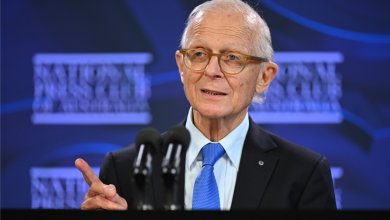
Professor Kaarin Anstey, director of the UNSW Ageing Futures Institute, and the only Australian member of the WHO Guideline Development Group, said the recommendations reflected years of growing evidence.
“These guidelines are the culmination of a systematic and wide-ranging review of the evidence we now have about the efficacy of a range of interventions that can reduce dementia risk,” Professor Anstey said.
“These recommendations offer real-life actions that will reduce dementia risk and promote brain health.”
She said the recommendations would require support from governments and health systems to be effective.
“They’re both practical and evidence-based but require the buy in of governments and public health systems to be truly effective.”
“The guidelines reflect our understanding of dementia prevention across the life course, and the fact that brain health is something we need to consider as a lifelong commitment.”
“We need to underline the message that many cases of dementia may be prevented, and these guidelines are a vital step forward in reinforcing that.”
Projections show that global dementia prevalence could exceed 150 million people by 2050, with some of the largest increases expected in low and middle-income countries.
Following the release of the guidelines, The Lancet described dementia as “one of the most pressing health challenges of the 21st century” and argued that risk reduction must become a central element of dementia policy.
The Lancet Neurology editorial noted that nearly half of dementia cases have been linked to potentially modifiable risk factors and said prevention efforts should not rely solely on individual behaviour change.
The authors argued that population-level actions, including improving access to healthy food, reducing air pollution and creating safe environments for physical activity, are also needed.
WHO similarly emphasised that dementia prevention extends beyond the health sector.
“Achieving meaningful reductions in dementia risk requires population-level action, including policies that improve education, access to health services and healthier environments,” the guidelines state.
The organisation also cautioned against the routine use of vitamin B supplements, vitamin E supplements, omega-3 fatty acids and multivitamins for dementia prevention in people without diagnosed deficiencies, citing insufficient evidence of their benefit.
Instead, it highlighted evidence supporting healthy behaviours and the management of chronic conditions that overlap with many other non-communicable disease prevention strategies.
“Understanding risk factors and taking action to prevent dementia can improve health and quality of life, helping people live longer, healthier and more independent lives,” WHO said.
Email: rebecca.cox@news.com.au