Australian-first Alzheimer’s blood test launched in Sydney
A new Centre of Excellence in Sydney will use blood biomarkers to improve the speed and accuracy of Alzheimer’s diagnosis
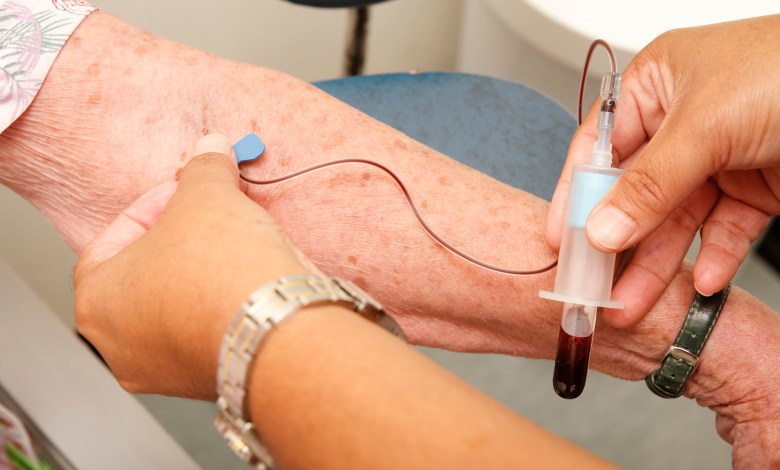
Sydney will become the front line of earlier Alzheimer’s detection with an Australian-first blood test that can deliver results in as little as 18 minutes and identify disease-related changes up to 20 years before symptoms appear.
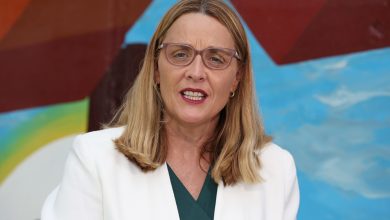
The breakthrough was announced last week at the launch of the Asia-Pacific Centre of Excellence for Alzheimer’s disease Diagnosis at NeuRA by Federal Health and Ageing Minister Mark Butler.
The centre, a collaboration between NeuRA and Roche Diagnostics Australia, will initially use the new testing in clinical trials as part of its push to tackle one of the biggest problems in Alzheimer’s care, delayed and uncertain diagnosis.
Using blood-based and spinal fluid testing, the use of the test is expected to improve earlier and more accurate detection while helping position NSW as a national hub for dementia diagnostics, clinical trials and research.
Associate Professor Emma Devenney said blood-based biomarkers could give patients much-needed certainty far sooner than current pathways.
“The use of these blood-based biomarkers to detect the presence of the proteins we know cause Alzheimer’s disease can deliver earlier and quicker diagnoses, and that certainty has many benefits for patients,” Professor Devenney told NewsWire.
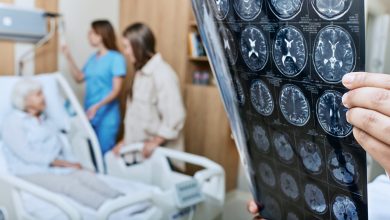
“Currently the only way to be sure of the presence of those proteins is a PET scan or testing of spinal fluid (CSF) via a lumbar puncture – both of these are expensive, hard to access outside big cities, and intrusive.”
She said research showed the blood test had similar levels of accuracy to the more invasive tests.
“We know these protein changes occur decades before symptom onset and that can be detected on this blood test. So hopefully in the future when more information is available this will enable a preventive strategy towards Alzheimer’s disease.”
The Centre will use automated testing technology from Roche Diagnostics, allowing results to be processed in minutes rather than weeks.
Roche has secured one of the first inclusions on the Australian Register of Therapeutic Goods for its Alzheimer’s blood tests, and the centre will initially process pTau181, pTau217 and ApoE4 tests.
Those biomarkers can help rule out or rule in Alzheimer’s pathology in people experiencing cognitive symptoms, while ApoE4 can determine whether a patient carries the strongest known genetic risk factor for developing Alzheimer’s disease later in life.
The practical value of earlier diagnosis can be significant as currently, Professor Devenney said, diagnosis usually takes a long time from a patient or family noticing initial symptoms.
“Diagnosis is currently an inexact science, short of getting the PET scan or lumbar puncture, and it takes around three years for a dementia diagnosis to be made from patients first noticing symptoms.”
“Having that certainty earlier allows for potential access to disease-modifying drugs, to better support and information, and to ensure patients can plan the care they receive as the disease progresses.”
“Currently the therapies that modestly slow the progression of the disease are only available to patients in its early stages – as things stand, the diagnosis too often comes too late for that.”
For Port Macquarie grandmother Nell Hawe, that delay is deeply personal.
Ms Hawe first began showing symptoms at 48, but said it took four years before she was diagnosed with young onset Alzheimer’s after doctors repeatedly dismissed her symptoms as stress and “that time of life”.
“I would have been able to potentially start medication sooner, which could have sent me down a preventive path much quicker,” Ms Hawe told NewsWire.
“By starting medication four years earlier, it may have been able to slow down its progression”.
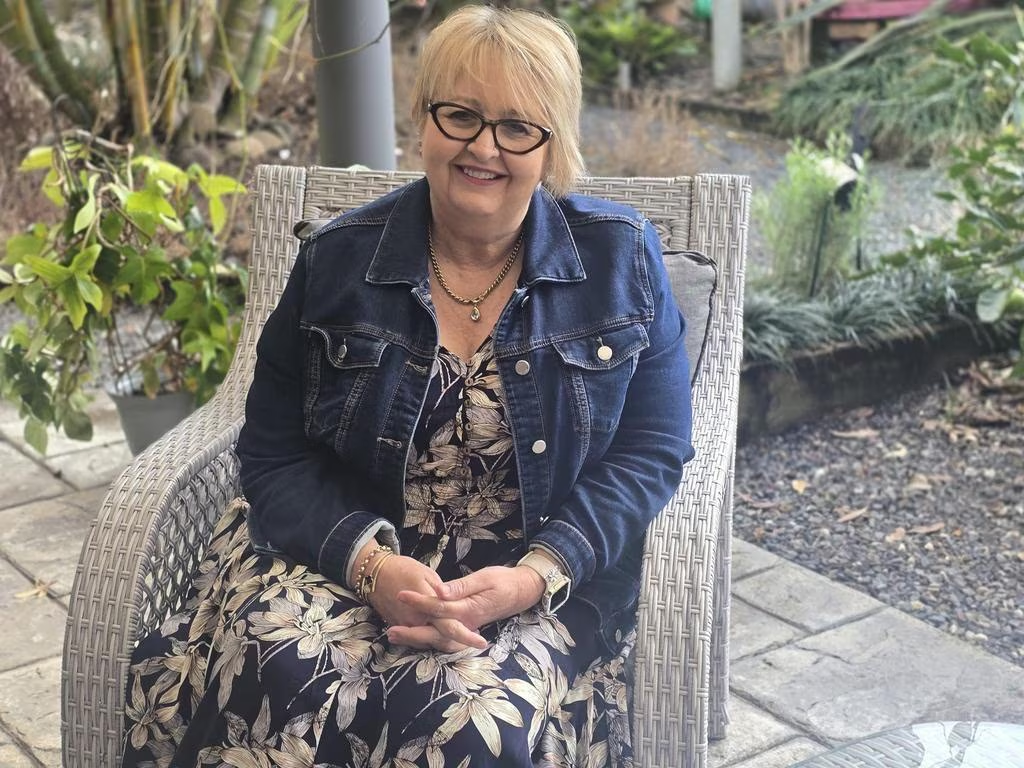
answers when her early symptoms were dismissed. Picture: Lillian Saleh.
Ms Hawe, who is part of news.com.au and The Australian’s Think Again campaign, said her “one wish” was for a cure, but earlier diagnosis through a simple blood test would still be life-changing for many families.
“Anything that gives us the ability to diagnose it earlier through things such as a simple blood test is just as amazing.
“For a lot of people, it’s the waiting for a diagnosis that is the frustrating part.”
For now, the blood tests will be used in clinical trials at NeuRA that require confirmation of Alzheimer’s pathology, but broader clinical access is expected to move closer over the next few months.
Professor Devenney said patients concerned about their cognitive ability should first speak to their GP.
“From there a GP can refer to a specialist who may decide to order these tests,” she said.
“Over the next few months, as the Centre of Excellence at NeuRA gets up and running, we expect to be able to process those tests for clinicians.”
Professor Devenney said the long-term goal is for the test to become available through Medicare.
The Centre will also be part of a newly announced partnership between NeuRA, Roche and Eli Lilly Australia aimed at developing a faster, more streamlined pathway for Alzheimer’s diagnosis and treatment.
Alongside processing approved tests, the facility will help assess new biomarkers and emerging diagnostic tools, with the goal of bringing future breakthroughs into patient care more quickly.
The launch comes as Australia faces a growing dementia crisis. Dementia is the nation’s leading cause of death, affecting more than 446,500 people and projected to top one million by 2065.
The annual economic cost has already passed $4.7 billion, adding to pressure on families, clinicians and the health system.
Alzheimer’s is the most common form of dementia, making up 60 to 70 per cent of cases. Yet, globally, up to 75 per cent of people living with the disease are estimated to remain undiagnosed, often missing the chance to access treatment earlier or plan for the future.
The challenge is even more pressing in the Asia-Pacific. While the region is home to about 20 per cent of the world’s population, it is expected to account for more than half of the global dementia burden by 2050.
Email: rebecca.cox@news.com.au