
Seeing what matters: Governance visibility in the new aged care era
Newly strengthened Quality Standards are putting increased pressure on governing bodies to assure the quality and safety of care in the sector

Whether it’s clinical, cultural or complaints-related, the Australian aged care sector is now operating under a fundamentally different governance regime.
The commencement of the Aged Care Act in November 2025 has put governing bodies and boards under the spotlight. They are now accountable for quality and safety of care in ways that are explicit, measurable and enforceable.
This is reflected in the Strengthened Quality Standards, which allocates responsibility for safe, high quality and person-centred care onto the governing body. This structural change demands new levels of visibility, competence and leadership from boards and executives across the sector.
The strengthened Quality Standards make it explicit that governing bodies must set strategic priorities, cultivate a culture of safety and inclusion, and ensure that workers are competent, supported and psychologically safe. They must engage meaningfully with staff and consumers, use continuous improvement processes, and report regularly on performance.
These expectations reflect the Royal Commission’s findings that the history of governance failures across the sector were widespread and deeply harmful. Commissioner Tony Pagone noted that provider management and governance have a relationship with all aspects of care.
The Commission documented repeated failures in leadership, accountability and culture, including boards that lacked clinical expertise, complaints systems that were ineffective or nonexistent, and decision-making that prioritised finances over care quality.
Clinical governance is now central to the sector’s regulatory framework and must support safe and effective care through clear responsibilities, strong monitoring and reporting, and a culture that encourages openness and continuous improvement.
The Royal Commission’s Recommendation 90 requires governing bodies to possess the right mix of skills, including care governance, and to establish care governance committees chaired by non-executive directors with appropriate expertise. These committees must monitor the quality of clinical care, personal care and daily living supports, and ensure that risks are identified and addressed.
The Commission’s findings illustrate why these reforms are necessary. In some services, complaints processes were so weak that people receiving care did not know how to lodge a complaint or feared repercussions if they did. In others, boards were unaware of serious care deficiencies because information was not escalated or was filtered through management.
“Deficiencies in the governance and leadership of some approved providers have resulted in shortfalls in the quality and safety of care,” Commissioner Pagone said.
“Some boards and governing bodies lack professional knowledge about the delivery of aged care including clinical expertise.”
Can’t fix what you can’t see
At the same time, findings from OnBoard’s Governance Insight Gap survey reveal that many boards, including those in healthcare settings, struggle to access the insights they need to meet these expectations.
The survey of 387 board-connected professionals across Australia, the US, the UK and New Zealand, revealed that while boards can easily see the procedural aspects of governance, they often lack visibility into the deeper indicators that, in the case of aged care, determine whether services are safe, effective and improving.
“Most boards say they want better governance insights, but when you ask how well they track what they decide, follow through on and prioritise, the honest answer is often not well,” OnBoard brand narrative manager Ben Blanc said.
The survey found that operational insights, such as whether meetings run well or board packs arrive on time, are relatively easy for boards to assess, as these activities are visible and structured.
However, director engagement and contribution were rated the most difficult to access, followed by board composition and succession, risk and compliance oversight, and progress on strategic priorities.
The report attributes these challenges to the fact that many boards are lacking the frameworks, systems and reporting structures needed to surface these insights consistently.
Beyond Governance chief Erika Eliasson-Norris said boards must build the systems, culture and capability to see what matters before harm occurs, not after.
“You cannot govern what you cannot see,” she said.
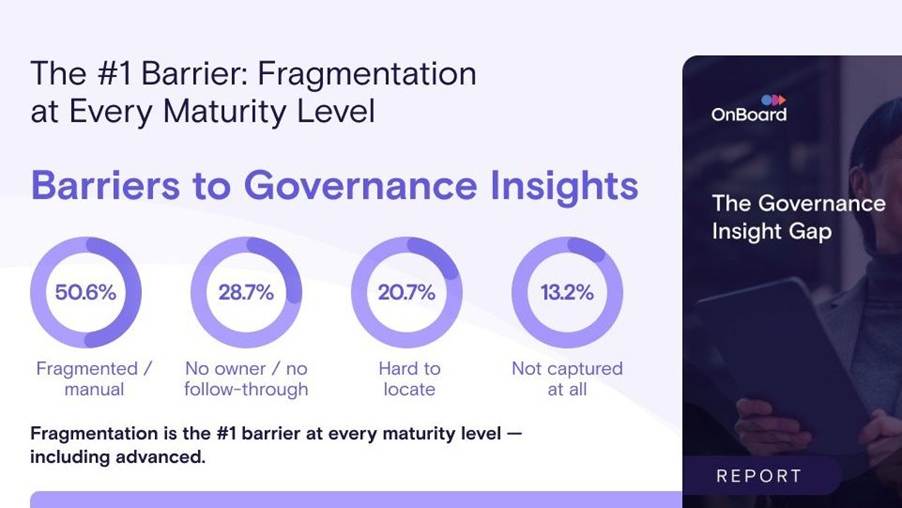
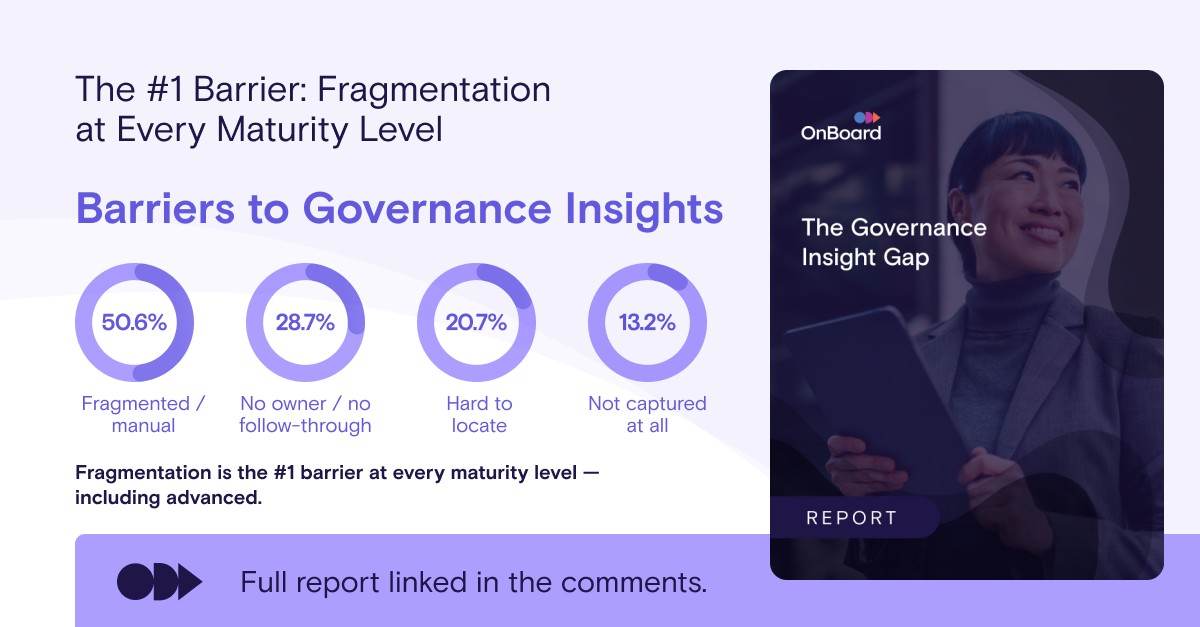
“50.6 per cent of those surveyed said that the insights that they need on governance ... exist somewhere in the organisation, but they are fragmented.
“The information exists but the infrastructure to surface it doesn't, and that's not actually a compliance problem, that is a structural problem.”
The future of aged care governance will be defined by visibility, accountability and consumer centred leadership.
The Strengthened Standards require governing bodies to invest in systems that support quality care, engage proactively with workers, maintain psychologically safe workplaces, and ensure that all staff receive competency-based training.
These obligations cannot be met if boards lack visibility into the realities of care delivery.
Email: rebecca.cox@news.com.au