Older Australians underestimate RSV risk despite rising case numbers
A tendency to self-manage symptoms may be leaving some older Australians vulnerable to serious respiratory illness
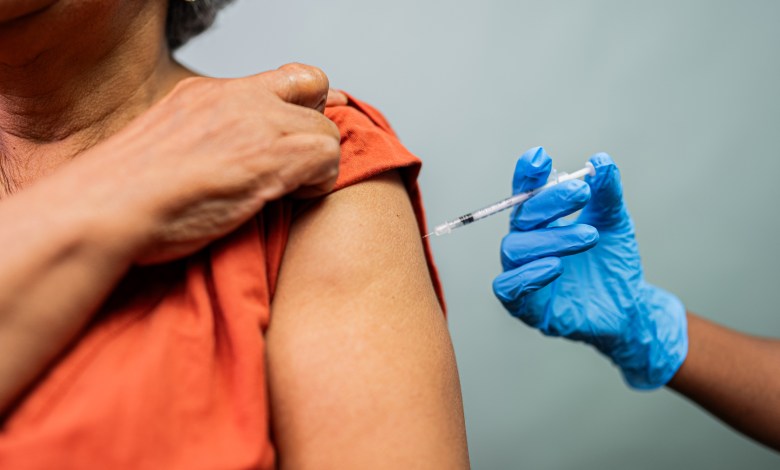
Many older Australians recognise respiratory syncytial virus (RSV) can be a serious illness, but new research suggests far fewer believe it poses a significant risk to them personally.
RSV notifications continue to climb across Australia, with more than 83,000 cases recorded this year, surpassing both influenza and Covid-19 notifications, making RSV the most commonly reported respiratory virus nationally this winter.
Research commissioned by GSK Australia found that among Australians aged 65 years and over who were aware of RSV, 90 per cent considered it a serious condition. However, fewer than two in five (38 per cent) said they were very or extremely concerned about becoming ill from the virus themselves.
The survey also highlighted gaps in RSV knowledge. While 82 per cent of respondents could identify at least one fact about RSV, only five per cent correctly identified all seven statements about the virus.
Infectious diseases physician and professor of medicine Paul Griffin said the findings revealed an important disconnect.
“What is particularly interesting about these findings is that many Australians aged 65 years and over recognise RSV can be serious, but don't necessarily perceive themselves to be personally at risk,” Professor Griffin said.
“We often see people acknowledge a health risk in theory while assuming serious illness is more likely to affect somebody else.”
“RSV can affect people of all ages, however the risk of serious illness increases for some groups, including infants, older adults and some adults living with underlying health conditions. As we age, our immune systems naturally become less effective at responding to infections and risk tends to increase gradually over time.”
The findings are echoed in new data released by the Immunisation Foundation of Australia, which estimates more than one million eligible older Australians remain unprotected against RSV despite receiving an influenza vaccination this year.
According to the foundation's Mid-Winter RSV Report Card, 722,530 older Australians eligible for free RSV immunisation have received the vaccine this year, compared with 1.76 million people in the same age groups who received an influenza vaccine.
Immunisation Foundation of Australia founder and executive director Catherine Hughes said the gap was concerning.
“The fact that more than 700,000 vulnerable older Australians received the RSV vaccine in the first two months of the vaccination program is an outstanding effort by the community and immunisation providers,” Ms Hughes said.
“However, there is still a massive gap in RSV vaccination coverage and an urgent need for older adults to roll up their sleeves.”
She said timing may have contributed to the disparity.
“The RSV vaccine was unfortunately not available in April and early May when many older Australians receive their flu shot, so it’s clear there is some catching up to do.”
An Immunisation Foundation of Australia poll of 1,000 older Australians found 64 per cent were unaware that RSV and influenza vaccines can be administered at the same time.
“The RSV and influenza vaccines can absolutely be given at the same time, providing a convenient way to maximise protection during winter,” Ms Hughes said.
The GSK survey also found that respiratory illnesses are frequently self-managed by older Australians. Nearly nine in 10 respondents either delayed seeking medical advice when symptoms developed or chose to manage symptoms themselves, with many believing the illness was not serious enough to warrant medical attention.
Australian Medical Association (AMA) president Dr Danielle McMullen said protection against RSV could help prevent significant numbers of hospital admissions.
“With so many Australians yet to be protected against RSV, it’s essential that people speak to a healthcare professional about RSV protection. Now is the time to act – winter is far from over,” Dr McMullen said.
“Getting protected against RSV is an incredibly simple yet effective way to help prevent serious illness and stay out of hospital.”
As of July 2026, adults aged 65 years and over account for 19 per cent of all RSV notifications nationally.
Email: rebecca.cox@news.com.au