Senate inquiry urges govt to retain CHSP as a standalone program
It said the proposed transition into Support at Home risked increasing costs, reducing availability and destabilising providers
A Senate inquiry has urged the federal government not to proceed with its plan to fold the Commonwealth Home Support Program (CHSP) into the new Support at Home (SAH) system, warning the move could leave hundreds of thousands of older Australians without essential entry‑level care.
The Greens-chaired inquiry delivered its report on Tuesday, recommending the CHSP remain a standalone, block‑funded program. The report found the proposed transition risked increasing costs for older people, reducing service availability and destabilising community‑based providers, particularly in regional and remote areas.
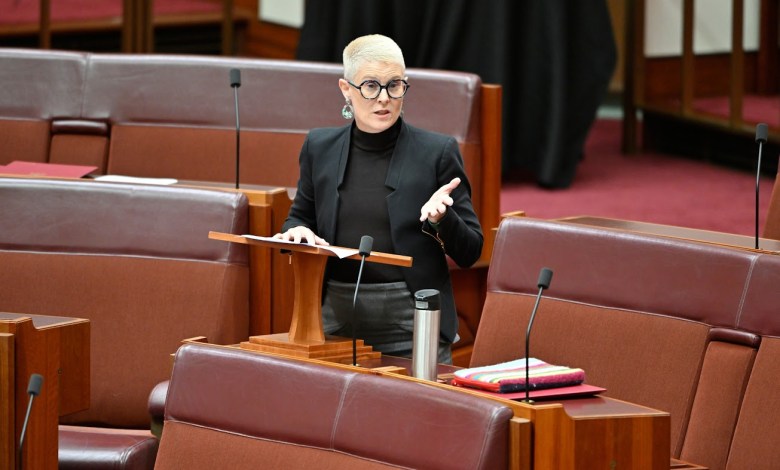
Australian Greens older people spokesperson Senator Penny Allman‑Payne said the inquiry showed widespread opposition to abolishing CHSP.
“Labor’s reckless proposal to kill off the CHSP has no friends. Advocates, providers, unions, experts, First Nations organisations, local governments – no one wants this,” she said.
“The CHSP provides a vital service affordably to older Australians. Instead of eliminating it, Labor should listen to the evidence and start funding it properly.”
The CHSP currently supports more than 800,000 older Australians with basic in‑home services such as meals, transport, domestic assistance and social support. Providers receive government grants rather than individualised payments, allowing rapid access to services and flexibility to respond to local needs.
Higher costs and service loss
The report included strong warnings from sector leaders about the consequences of shifting CHSP clients into the SAH system.
Inspector‑General of Aged Care Natalie Siegel‑Brown told the inquiry that altering CHSP’s co‑contribution model could vulnerable older people to have to make untenable choices.
She said such changes would “significantly increase service costs, resulting in older people… foregoing necessary care when they need it in order to afford other basic essentials.”
“This in turn would entirely undermine the preventative intent of the CHSP by further accelerating cognitive and physical deterioration, driving older people into higher cost and more intensive models of care and hindering independence,” she said.
Ageing Australia chief Tom Symondson also warned that not‑for‑profit providers, particularly those also delivering homelessness or early childhood services, might withdraw from aged care entirely if the transition proceeds.
“That would be an absolutely devastating blow, particularly to small communities,” he said.
The Community Affairs Committee made eight recommendations, including:
- Retaining CHSP as a separate, block‑funded program
- Extending CHSP funding for three years beyond July 2027
- Commissioning an independent cost‑benefit analysis comparing CHSP with SAH and residential aged care
- Beginning a national consultation and co‑design process on CHSP’s future
- Abolishing the $15,000 lifetime cap on home modifications
- Removing time and funding restrictions on the End‑of‑Life Pathway
Coalition calls for certainty
Coalition senators Anne Ruston, Wendy Askew and Alex Antic said the inquiry had been necessary due to “significant uncertainty” created by the government’s lack of detail about CHSP’s future.
They argued that CHSP’s block‑funding model is cost‑effective and essential for rapid access to services, noting evidence that some services cost 40–50 per cent more to deliver under SAH.
“The government has provided little detail about the future program or any replacement beyond 1 July 2027, creating concern for older Australians who rely on CHSP services and providers who require long-term funding certainty to plan services, retain staff and ensure continuity of care,” the Senators wrote in the report's additional comments.
“The evidence received by this inquiry reinforces concerns about the government's implementation of other aged care programs, including the operation of the Integrated Assessment Tool and the lack of human override in aged care assessments.
“Coalition Senators will continue to advocate for policies that improve access to aged care services, reduce waiting times, and ensure older Australians can access the support they need, when and where they need it.”
Email: rebecca.cox@news.com.au