

The University of Canberra (UC) will partner with HammondCare to research and evaluate Canberra’s first dementia care village, deepening the university’s growing involvement in aged care innovation and dementia research.
Under a newly updated memorandum of understanding, the UC’s Centre for Ageing Research and Translation (CARAT) will become HammondCare’s research partner for the Curtin dementia care village, a 90-bed residential development planned for Canberra’s inner south.
HammondCare secured the ACT government tender to develop the village on the former Curtin Primary School site, with construction expected to begin in 2027 and completion scheduled for 2030.
CARAT co-director Distinguished Professor Diane Gibson said the collaboration would help address both care and research needs in the ACT.
“There is an undersupply of residential aged care in Canberra and a shortage of high-quality dementia care, so to have this innovative development providing small-scale care will not only address the needs of the community, but also provide key opportunities to advance research in the field,” she said.
“CARAT began exploring small-scale models of care in 2021, and we have been developing our work program on this topic ever since.”
The facility will be based on HammondCare’s small-household model of dementia care, which has been adopted across a number of dementia villages in New South Wales, Victoria and South Australia.
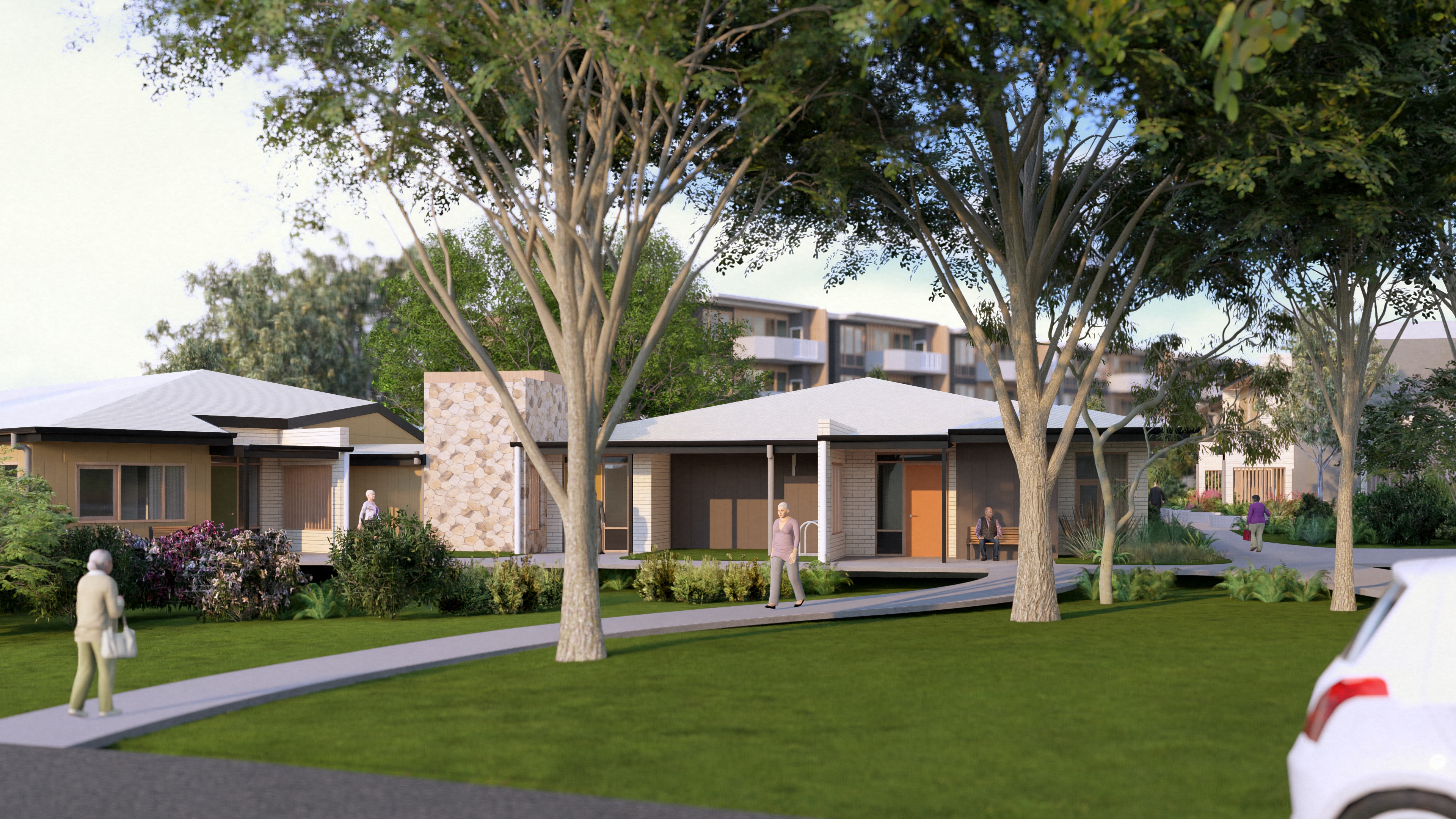
Residents will live in domestic-style households featuring shared kitchens, living spaces and outdoor areas designed to support independence and quality of life.
“There are guidelines now recommending small-scale models, but there's not yet a strong evidence base and we have been working towards building that foundation,” Prof Gibson said.
HammondCare director of the Dementia Research Program and Data Analytics Dr Tom Morris said the collaboration would help translate research into practice.
“Through this collaboration, our shared ambition is to ensure the benefits of this work extend well beyond the village to people living with dementia, families and care providers across Australia,” he said.
The development is expected to include supported seniors’ living apartments, a café and a hairdresser as part of a broader integrated care precinct.
The project is not the University of Canberra’s first move into aged care.
Late last year, the university announced plans for the ACT’s first intergenerational retirement and aged care community at its Bruce campus in partnership with Pariter and Opal HealthCare.
Once completed, the development will include 230 independent living units and a 180-bed residential aged care community as part of the university’s Health Neighbourhood Masterplan. The project is expected to become only the second intergenerational aged care community of its kind in Australia.
Email: rebecca.cox@news.com.au