
Millions of Australian workers will receive a 4.75 per cent pay rise from July 1, after the Fair Work Commission (FWC) handed down its annual wage review. The decision was welcomed by unions as overdue relief for frontline care workers but criticised by business groups as a potential tipping point for struggling employers.
The ruling lifts the national minimum wage to $26.44 an hour, up from $24.95, and increases weekly pay to $1004.90 for workers not covered by modern awards or enterprise agreements. Around 2.8 million workers, or roughly 20 per cent of the workforce, will be affected.
Among the strongest supporters of the decision was the Australian Nursing and Midwifery Federation (ANMF), which represents thousands of aged care and healthcare workers who rely on award wages.
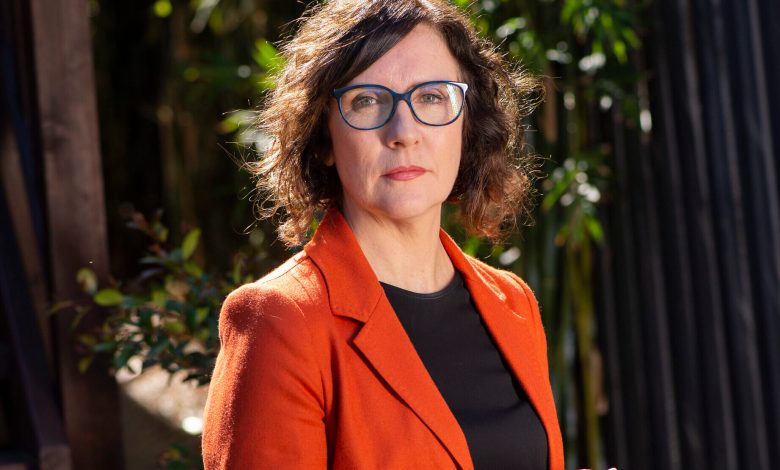
ANMF federal secretary Annie Butler said the increase would provide meaningful relief for workers facing rising rents, groceries, energy and fuel costs.
“While not far above inflation, we believe the increase is a step in the right direction for our members earning minimum or award wages,” Ms Butler said.
She noted that many of the workers most affected by the decision are “essential service workers, majority female and in casual and part‑time work arrangements.”
“For ANMF members working in aged care and award‑reliant workers in other critical industries, who continue to deal with low wages and increasing workloads, it’s crucial that their wages continue to keep pace with everyday cost‑of‑living pressures,” she said.
While the union had hoped for a larger increase, Ms Butler said the decision “goes some way to acknowledging their critical contributions to Australian society.”
FWC president Adam Hatcher said this year’s review was “particularly challenging because of the unusual degree of complexity” in the economy, pointing to global instability and inflationary pressures. The war in the Middle East, he said, had acted as a “wildcard” in shaping inflation forecasts.
Treasurer Jim Chalmers welcomed the decision as “the pay rise millions of Australian workers need and deserve,” while Employment Minister Amanda Rishworth said it would provide “needed cost‑of‑living help” for workers in lower‑paid roles who “have fewer financial buffers to fall back on.”
The Australian Council of Trade Unions (ACTU), which had pushed for a six per cent increase, described the outcome as a strong result.
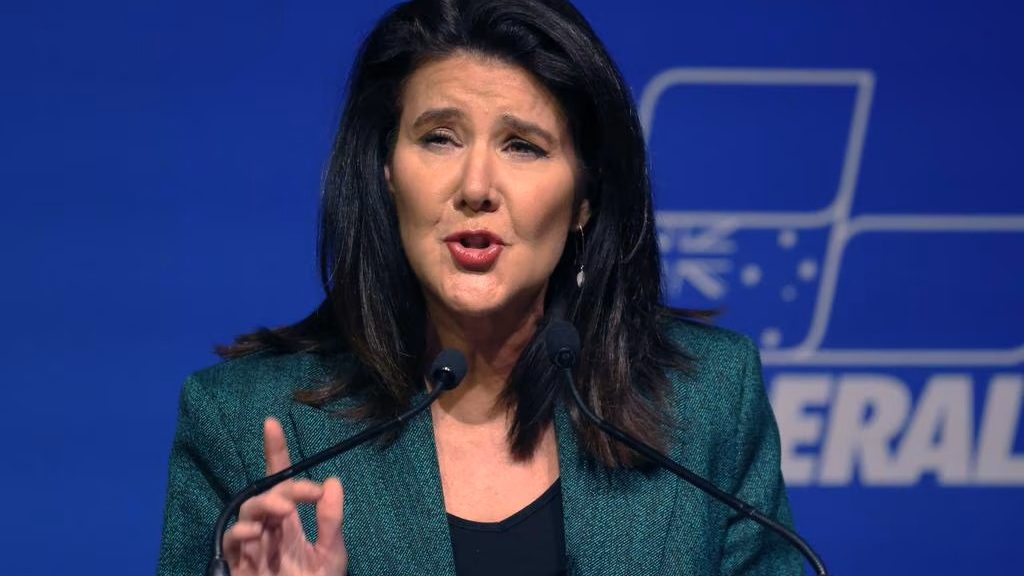
Union secretary Sally McManus said the Commission’s decision was “a really good outcome for everyone struggling with cost of living”.
Asked about the pressure the wage increase could place on businesses, Ms McManus said businesses would benefit from the rise.
“First of all, remember your workers are usually your customers as well,” she told reporters.
“And if they go backwards and if they have to cut back, they’re going to cut back on spending.
“The second thing is, if you’re running a business, usually you have the ability throughout the year to adjust your prices depending on what’s happening with not just your competitors, but obviously with inflation.
“Workers on the minimum wage don’t have the opportunity to do that. This is the one chance they’ve got.”
But employer groups warned the increase would strain businesses already grappling with rising costs.
Australian Chamber of Commerce and Industry policy chief David Alexander said the 4.75 per cent rise “will be too much to bear” for some employers.
“For some businesses, they will pass that on, and it’ll end up in inflation. For others, they’ll wear it themselves – it could be the tipping point,” he said.
The Coalition backed the wage rise but blamed the need for such an increase on inflationary government spending.
“There is little comfort in a wage increase if Labor’s inflation simply eats it away,” Deputy Opposition Leader Jane Hume said.
The wage rise will take effect from 1 July, with flow‑on increases for award‑reliant workers to follow.
Email: rebecca.cox@news.com.au